

Author: JD


Jon Platt Named CEO of Warner/Chappell
Congrats Big Fella Jon Platt will lead Warner/Chappell Music going forward. As part of a transition plan, Platt, who joined Warner/Chappell in 2012, will be promoted to the company’s CEO on Nov. 1 from his current position as president, North America. Subsequently, in May 2016 (most likely when Cameron Strang’s contract ends), Cameron Strang, currently chairman & CEO, will step down to devote his full focus to serving as chairman & CEO of Warner Bros. Records. Platt is known for being a doubled-edged sword, having great creative skills combined with top-notch leadership. On the creative side, he has helped attract such artists and songwriters as Jay Z, Beyoncé, Vance Joy and Echosmith to Warner/Chappell. “Jon has a deep understanding of the creative process, an outstanding devotion to songs and songwriters, and an innate ability to nurture the next generation of talented publishing executives,” Warner Music Group CEO Steve Cooper said in a statement. “His combination of artistic sensibility and commercial savvy is very rare, and is clearly why so many of the world’s greatest songwriters want him as their partner and champion.” Cooper added that Platt will enhance Warner/Chappell’s “position” as the best home for songwiters. Over the last five years, Warner/Chappell’s revenues have steadily declined, from $582 million for the year ended Sept. 30, 2009 to $503 million for the year ended Sept. 30, 2013, before rebounding last year to $517 million. In the first nine months of this year, Warner/Chappell revenue stands at $359 million, down from $387 million, or 7.2 percent. Platt’s ability to attract top flight songwriters should help boost the company’s bottom line. Over the last several years, Warner/Chappell has added such songwriters as Pharrell Williams’ pre-2010 repertoire, Taio Cruz, Aloe Blacc, Sean Douglas, Belly, Mano, Julia Michaels, Steve Kipner, Nico & Vinz, Slash, Dave Mustaine, Mike WiLL Made It, Lady Antebellum, Liz Rose, and Lee Miller, as well as the Roc Nation publishing catalog. “Ever since Jon came on board in 2012, he has played a pivotal role in our success story, making enormous contributions to the company’s rapid development,” Strang said in a statement.”Warner/Chappell is now ready for the next phase of its ongoing evolution, and Jon is exactly the right executive for the job. He is a force of nature: a brilliant creative collaborator; a principled leader; and an inspiring mentor. He will be a terrific CEO, as he brings his dynamism and expertise to our songwriters, teams and business around the world.” Cooper added that “with a smooth transition underway at Warner/Chappell, Cameron will lead our plan to build on [Warner Bros. Records] existing success, turbocharge its long-term growth and deepen our commitment to A&R and artist development.” Prior to joining Warner/Chappell Platt, who received SESAC’s Visionary Award in May, spent 17 years at EMI Music Publishing, where he signed an early-career Jay Z, Kanye West, Usher, Drake, Ludacris, Mary Mary, Young Jeezy, Fabolousand Snoop Dogg, according to Warner/Chappell’s announcement. “Warner/Chappell is an iconic music company with an incomparable roster of extraordinary songwriters,” Platt said in a statement. “Our mission is to develop, grow, reward and sustain a prosperous and healthy creative community — the community of songwriters who make it possible for music to have such a special place in all of our lives. My vision for Warner/Chappell is one of peerless commitment to the songwriter and unmatched advocacy for the value of music. I see us leading the industry in our service not only to our songwriters, but also to the partners and fans that help make their livelihoods possible.”

American Apparel Files for Bankruptcy
WOW!!!! American Apparel, the one-time arbiter of edgy made-in-America cool, filed for bankruptcy protection early Monday, its business crippled by huge debts, a precipitous fall in sales, employee strife and a drawn-out legal battle with the retailer’s ousted founder, Dov Charney. The Chapter 11 petition, approved by the board, was filed in federal bankruptcy court in Delaware. The filing followed a deal struck with most of American Apparel’s secured lenders to reduce the retailer’s debt through a process known as a debt-for-equity conversion, where bondholders swap their debt for shares in the company. The deal, which also includes extra financing from the participating bondholders, would enable American Apparel to keep its manufacturing operations in Los Angeles and its 130 stores in the United States open, the company said. Continue reading the main story RELATED COVERAGE American Apparel to Lay Off 180 WorkersAPRIL 1, 2015 With Paula Schneider as New Chief, American Apparel Shifts FocusFEB. 8, 2015 No layoffs were announced in the filing, which still requires approval by the bankruptcy court. The retailer’s overseas operations are unaffected by the restructuring, which American Apparel expects to complete within six months. Still, the bankruptcy would wipe out American Apparel’s current shareholders, including Mr. Charney, whose stake in the retailer that he founded in 1989 was worth about $8.2 million as of Friday. It would instead put the company’s creditors in full control, including Standard General, the little-known hedge fund that is also leading the turnaround at RadioShack, which went bankrupt in February. American Apparel and RadioShack join numerous peers that have succumbed to intense retail competition. Some analysts say that the United States simply has too many brands — and too many brick-and-mortar stores — chasing consumer spending that is growing sluggishly at best. Stores that cater to teenagers, like American Apparel, Abercrombie & Fitch and Aeropostale, have especially struggled in the face of an onslaught of “fast-fashion” labels and an increasingly fickle demographic more interested in the latest app or gadget than a pair of jeans. In the past year, Wet Seal, Deb Shops, Delia’s and Body Central have all gone under. American Apparel’s own bankruptcy had become a matter of not if, but when, as the retailer posted quarter after quarter of steep losses. Its sales fell 17 percent in the second quarter compared with last year, a slump the beleaguered retailer blamed on a dearth of new styles. American Apparel’s losses over the last five years have topped $340 million, and it has lost another $45 million this year. The New York Stock Exchange warned last week that American Apparel was at risk of being delisted, saying it had suffered losses so substantial, and its financial condition had become so impaired that it was questionable whether the retailer could stay in business. At the close of markets on Friday, its shares were worth just 11 cents. A $13.9 million interest payment due on Oct. 15 had loomed large on the horizon; as of mid-August, American Apparel had just over $11 million in cash on hand. The shortfall prompted the company itself to warn it may not have enough capital to cover its costs over the next year. Under the financing agreement, five American Apparel bondholders would convert some $200 million in bonds into equity in the reorganized company. Participating bondholders would also provide $90 million in debtor-in-possession financing, as well as $70 million in new liquidity. The fresh financing would reduce American Apparel’s debt to $120 million from $311 million, and its annual interest expenses would fall by $24 million, the company said. The participating bondholders are Standard General, Monarch Alternative Capital, Coliseum Capital, Goldman Sachs Asset Management and Pentwater Capital Management, all hedge funds or investment firms specializing in distressed debt. Together, they represent 95 percent of the retailer’s secured lenders. Bankruptcy proceedings would also temporarily delay numerous lawsuits against the company, giving its management some breathing room to get the company’s financial house in order. The retailer had been in the middle of a turnaround plan that included freshening up its product lineup, overhauling its supply chain and reining in American Apparel’s notoriously risqué advertising. Paula Schneider, a veteran retail executive brought in last year to salvage American Apparel’s ailing operations, is expected to stay on as chief executive through the bankruptcy proceedings. In an interview Sunday, Ms. Schneider said that free of its crippling debt and interest payments, American Apparel could finally put that turnaround plan into action. The retailer was only able to bring to the store 15 to 20 percent of its planned lineup for the fall season, because it simply couldn’t afford to do more, she said. Continue reading the main story Breaking News Alerts Sign up to receive an email from The New York Times as soon as important news breaks around the world. “Our debt load simply wasn’t sustainable. You can’t do a turnaround plan without cash,” Ms. Schneider said. “Every day, we would make choices on what we were going to buy, even though we needed more for everyone. Every day, I have to pick between what I’m buying for retail or wholesale, or giving e-commerce enough money to develop a mobile app,” she said. “And it was all to get to the point where we could make these massive interest payments, and nothing that was really moving the company forward,” she said. “Not having the nuisance lawsuits, not having this massive debt, these are all extremely important things for the company to thrive.” It is a stark turn of events for a retailer that began as a T-shirt label in 1989 and whose bodysuits and disco pants came to define the edgy, alternative look of the 1990s and early 2000s. The retailer’s commitment to keeping local garment jobs in Los Angeles, and its championing of progressive causes from immigration reform to marriage equality, also set it apart from its retail peers. Behind the energy of those early years was Mr. Charney, the kinetic executive whose lifestyle seemed to embody American Apparel’s anti-establishment flair. But soon, the founder’s antics appeared to cross a line. A 2004 profile in the magazine Jane described Mr. Charney repeatedly masturbating in front of the reporter. Other stories quoted Mr. Charney calling women “sluts,” and suggesting that “ugly” store managers be fired. A series of lawsuits against Mr. Charney made claims of sexual harassment of female employees. Mr. Charney’s lawyers steadfastly maintained, however, that the accusations were unfounded and that the founder was a deep-pocketed target for litigation. Still, in June last year, American Apparel’s board of directors ousted Mr. Charney as chairman, saying an internal investigation had found that he had misused company money and had allowed an employee to post naked photographs of a woman who was a former employee who had sued him. The board also pointed to the mounting expense of defending Mr. Charney in the lawsuits filed against him, and said that his reputation was making lenders skittish about working with the company. Mr. Charney has disputed the investigation’s conclusions, saying they are unfounded. Mr. Charney then teamed up with Standard General to increase its hold on the company’s stock to 43 percent, and to potentially pave the way for Mr. Charney to return to the company. But that alliance soon fell apart. Standard General has blocked a return by Mr. Charney and each side has sued the other for breaching mutual agreements. At the same time, some American Apparel workers have started staging weekly protests, complaining of layoffs and reduced hours. In one heated protest, a small group of workers beat and destroyed a piñata resembling Ms. Schneider, the chief executive. Workers have filed a string of complaints with the National Labor Relations Board, including one by a group of workers claimingthat they were wrongfully terminated after attempting to unionize. The board has dismissed many of these complaints, however. Distracted by the ongoing drama, the retailer has struggled to remain relevant to young consumers, who have flocked to shop at H&M, Zara and other “fast-fashion” retailers with a quicker turnaround of cheap styles manufactured overseas. Ms. Schneider said that American Apparel remained committed to keeping manufacturing jobs in the United States. She said rumors that the retailer would move its factory jobs to El Salvador or Mexico were unfounded. “We will continue to manufacture in America,” she said. “That’s what the brand is. That’s what it’s about.”
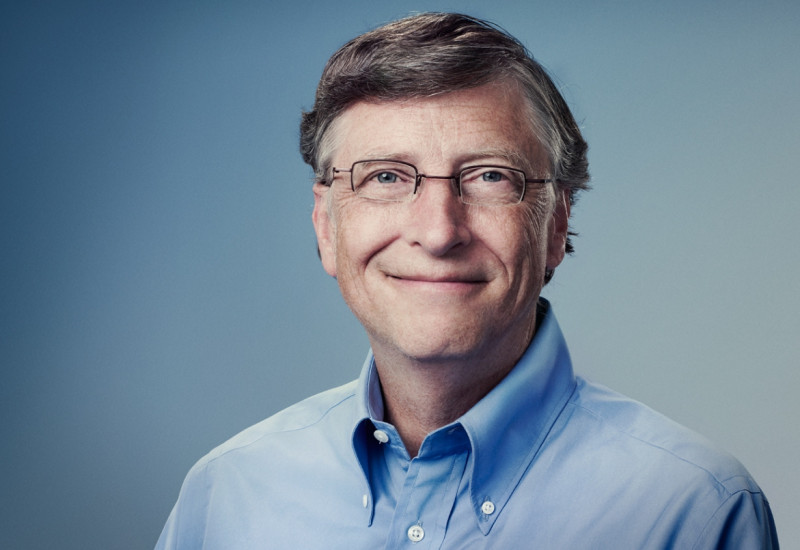
Bill Gates Tops America’s Richest People List Of 2015 By Forbes
The rich are getting richer and The Forbes 400 list of the Richest Americans is out to validate it. The big list of people with big-money is out and and the eligibility to enter it comes for a price of $1.7 billion. And because the bar is so high, 145 U.S. billionaires failed to make it to the list. Though down by $5 billion, Microsoft’s Bill Gates still walks away as the richest American for the 22nd year in a row, with a net worth of $76 billion.
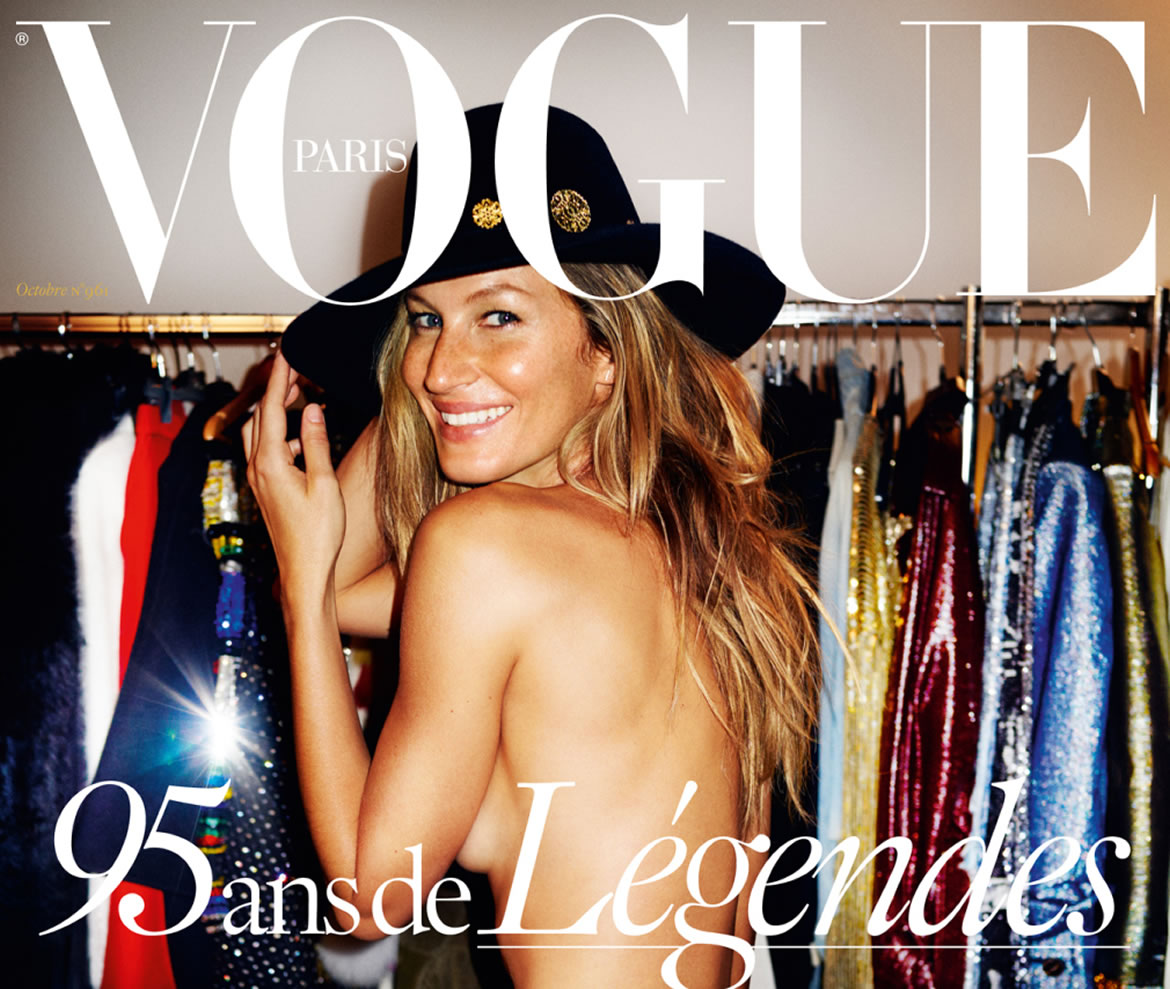
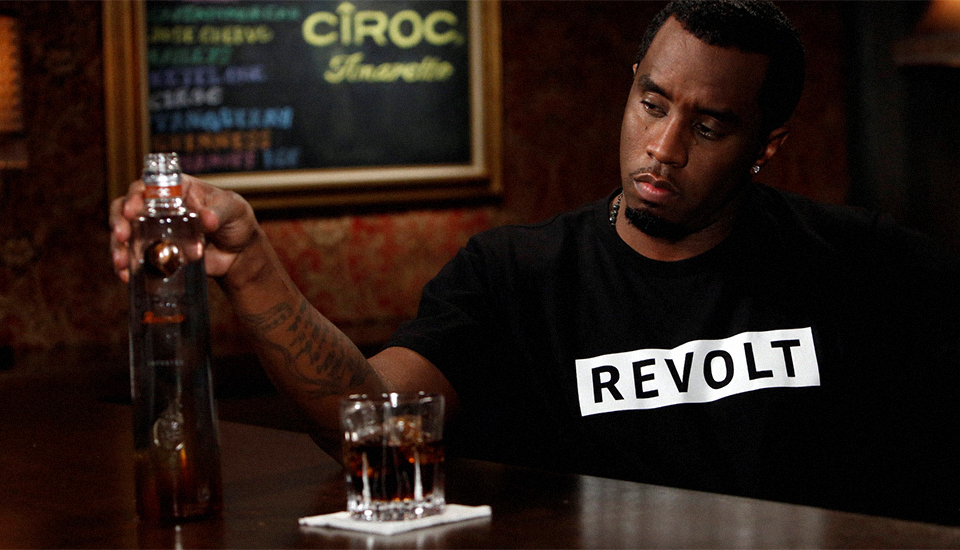
How Does Diddy Continue to Top Forbes’ “Cash Kings” List?
Forbes estimates Diddy’s net worth at $735 million USD – making him not only the top dog on the “Forbes Five” list of the wealthiest hip-hop artists, but also the highest grossing hip-hop artist in all of 2015 with an additional $60 million USD added to his already staggering fortune. While he has released a few singles in the recent past like “Big Homie” featuring Rick Ross and French Montana as well as “Finna Get Loose” featuring Pharrell Williams, it’s safe to say that his days of going platinum are in his rear-view mirror. It may be even safer to say that Diddy’s current music earnings are more akin to a kid’s lemonade stand than his meal ticket. As affluent peers like Jay Z, Drake, Eminem and Kanye West continue to churn out new albums, Diddy simply doesn’t need to make music to be considered hip-hop royalty in the eyes of those who cover finance. Here’s why: Revolt TV With a current reach of just 25 million pay TV homes, Diddy solidified the future of Revolt TV with a partnership with AT&T in July of this year which would see the channel added to the U300 bundle. “This is a historical day for Revolt,” Combs said. “With a major player like AT&T, more people will be able to access the hottest music and original content on every screen and device. This agreement shows the world that Revolt is a force in the media industry.” While financial figures have never been disclosed related to Combs’ financial gain from both his original deal with Comcast and his new deal with AT&T, there’s reason to believe that even with a quarter of the audience that MTV has, there is still lots of money to be made. As Forbes noted in 2013, “Turning a profit may prove difficult in the early going, but a well-oiled network can generate margins in excess of 25%. So, some back-of-the-envelope math: say Revolt manages $4 per subscriber per year. That works out to $100 million in sales, and perhaps $25 million in profit. Apply a 15x earnings multiple, and you get a valuation of $375 million for the network. Diddy wouldn’t disclose the precise nature of his stake, saying only that it was more than half. Even if it’s 51%, he’s looking at a potential net worth bump of nearly $200 million on paper when Revolt goes live. If he doubles his subscriber base over the next few years, the math says he’ll be a billionaire.” Diddy has stated that he has aspirations to make Revolt to music what ESPN is to sports. The latter made $7 billion USD in cable fees in 2013. Sean John Although Diddy’s venture into clothing may seem like a relic of yesteryear, it’s still very much a lucrative endeavor for him. According to their company bio, Sean John still pulls in a whopping $525 million USD in sales annually in the United States alone. While Sean John sportswear has been exclusive to Macy’s in the U.S. since 2011, Combs has plans to expand internationally through a series of new licensing agreements and partnerships that will find the brand on sales floors in India, South America, Africa, China, and the Middle East. Jeff Tweedy, the company’s longtime president who oversees the day-to-day operations of the New York-based business, noted that the shift to foreign markets would account for an additional $100 million USD in revenue in the next three years. Additionally, Tweedy forecast that by 2018, Sean John would be a $1 billion brand at retail. Enyce Whether the correct pronunciation is “en-y-ce” (like NYC), or “en-ne-che” because of its early Italian ties to Fila, under Diddy’s watchful eye, the clothing brand that gained notoriety in the late ‘9os proved to be a lucrative acquisition in 2008. Purchased for $20 million USD from Liz Claiborne who had bought it from the original owners in 2004 for $114 million USD, the brand remains available in 2,000 retail locations. Enyce Whether the correct pronunciation is “en-y-ce” (like NYC), or “en-ne-che” because of its early Italian ties to Fila, under Diddy’s watchful eye, the clothing brand that gained notoriety in the late ‘9os proved to be a lucrative acquisition in 2008. Purchased for $20 million USD from Liz Claiborne who had bought it from the original owners in 2004 for $114 million USD, the brand remains available in 2,000 retail locations. Blue Flame Marketing Responsible for getting the word out for Bad Boy Records-related projects, Ciroc Vodka and much more, Diddy’s Blue Flame Marketing did $12 million USD worth of billing in 2004 (the last known figures available.). If AdAge’s report last year is any indication, the marketing space is quite the lucrative arena to be invested in, noting, “U.S. agency revenue increased 3.7% to $39.1 billion in 2013.” Ciroc Vodka Diddy’s relationship with Diageo – the parent company of Ciroc – has caused beverage sales to increase from 40,000 cases sold annually to 2 million. While many on the outside may see him as merely a spokesman, Bloomberg reports that the vodka is “an equal-share venture with Combs” and the product accounted for 11 percent of Diageo’s $20.4 billion USD revenue in 2008. Forbes reports that he receives a seven-figure annual payout from the brand and a reported nine-figure windfall if the brand is ever sold.

Mira Mikati Previews KAWS Capsule Collection During Paris Fashion Week
Up- and coming London based designer Mira Mikati has presented her new collaboration with Brooklyn based artist KAWS this week in Paris for Paris Fashion Week. Known for her playful, yet well tailored collections and collaborations with artists in the past, Mira Mikati will be working with celebrated artist KAWS on her next capsule collection. Consisting of mostly silk baseball jackets, the pieces feature colorful KAWS all-over designs. This is the first fashion collaboration that we see from the artist since his early days with BAPE and his very own label OriginalFake, which closed a few years ago.

Here’s What Jermaine Dupri Remembers About His First Collaboration With Mariah Carey
The date was October 3, 1995. Mariah Carey just released Daydream, a follow-up to Merry Christmas, the wildly successful 1994 holiday LP, which gave us one of the most popular Christmas songs in history. At that point in her career, Carey could’ve very well continued on the pop route, but with Daydream, she took a detour. CLICK FOR R&B DIVAS WHO IMPACTED HIP HOP Carey wanted a different sound from her older work, so she teamed with a young Atlanta producer named Jermaine Dupri. In the early ‘90s fellow Columbia Records artists, Kriss Kross and Xscape, made Dupri a buzzing talent in hip hop and R&B. With Carey, he created a space somewhere between both genres. If you ask Dupri, it was Carey who spearheaded a merger of hip hop and R&B that’s commonplace today. The So So Def label head co-wrote and produced two songs on Daydream, “Long Ago,“ and “Always Be My Baby.” The latter pivoted Carey into a special club, with Whitney Houston and Madonna for the most chart-topping singles by a female artist. In 1995, Mariah Carey became a certified megastar. To celebrate the 20th anniversary of Daydream, BET.com turned the clock back with Dupri, to the first time he worked with Carey. BET.com: How did you and Mariah first connect? Jermaine Dupri: Through Columbia Records, that’s where So So Def was, Kris Kross was on Columbia Records so the success of Kris Kross fueled me meeting the No. 1 artist on Columbia. [Sony Music chairman] Tommy Mottola and the CEO [of Columbia Records] felt like I was the hottest producer at the time. Mariah was at the beginning of pop music merging with hip hop, and putting robotic pop on top of 808s and everything that you hear right now. She was the birth of that. It was all her idea, going in the studio with me. Did you two have instant chemistry? I wouldn’t say it was “instant” because I don’t think we really even knew what it was because “Always Be My Baby” was the third single on this album, it wasn’t like people were jumping out the window saying “This is the first single!” I thought I made some cool songs, and I was happy my records made albums, but when you’re coming up as a producer, if you don’t get a first or second single, you feel like you still got a lot more work to do. For me, I didn’t feel like I had accomplished too much of anything. We worked with each other but the fact that I didn’t get the first or second single…even with two songs that I did [on Daydream], I felt like I didn’t really do what I was supposed to do. Did you feel like you had something to prove? Nah, I don’t think so. [“Always Be My Baby”] that’s probably one of my biggest least-known works. It just sounds like a traditional pop, R&B type of record. None of the inspiration for the song came from a rap record, it was what I would’ve done on Xscape’s record or something like that. If anything, that’s what I was mimicking, something I would give Xscape, that’s what she liked. How did you guys come up with concept for “Always Be My Baby”? Our studio sessions were like from 9 in the morning ’til 5:30 in the afternoon. It would cut off at that point, Tommy would pick her up everyday and they would go to dinner. This was so different from anything I had ever seen in my life — ever. I had never been in the studio in the morning, for nobody, that’s one. And two, it’s cold shut-off, like no matter where you are in making the record, by 6 o’clock she had to leave. I was from an era where you stayed in the studio ’til the song is finished, so how does a person come in the studio and leave by dinner time? It was a weird experience for me, but the whole song actually came from Mariah. I don’t recall having any writing influence in that song, as far as lyrically. That was all her, and I think, like I said just because of the timing and the dynamic of it, I’d adjust. I was coming from staying up all night then I’d be in the studio at like 9 in the morning. I think we made the track and I might’ve fallen asleep [laughs] because I was adjusting to the time [constraints]. So Tommy Mottola slowed down the process? It aided to the process because we made “Always Be My Baby.” All it did was create what was to come after that. It feels like I’ve known Mariah my whole life, that [album] was the beginning. It wasn’t a bad thing that he was doing that. I think it was like, we didn’t get a chance to get as creatively close as we should have on the project, but we got close enough to know that when we work together it’s gonna always be something special. How did working with Mariah change your career? It made me rich [laughs]. People were only looking at the things I did with Kris Kross and Xscape. I didn’t talk on the [“Always Be My Baby”] record, so it didn’t jump out to people that that was my song. It solidified me as the No. 1 producer at Columbia Records, I can say that. It made my relationship with the label really become A-1. I had a hit record with their No. 1 artist, I could do whatever the f**k I wanted. It made bringing out Da Brat easier, bringing out the next artist I brought out, everything just became easier. What do you think gave Mariah staying power? The songs, a great song is like respect. Respect don’t go nowhere. “Hot” goes somewhere, but when people respect you, that respect will last as long as people can tell the story of how the respect was even gained. Songs that I didn’t have anything to do with, I hear people saying that same stuff. “So many of the songs, got me through life, I was depressed, I wanted to kill myself and I listened to this song…” So many different songs that she’s written I hear her fans tell stories like this. She’s just a phenomenal songwriter. I think that came from, again, Tommy Mottola being married to her, and her not being able to get out in the mix, doing nothing else but music. It made her this incredible songwriter. How do you feel about today’s R&B ? I think R&B is in such a bad space, as far as the confidence level of people making R&B music, people actually fear singing about stuff that makes sense. They feel like no one’s gonna’ listen if they make a record that’s saying something, and that they’re actually singing. R&B is completely gone, as far as I’m concerned. Is there a way to fix it? It’s gonna take the people that really sing, an artist like Mariah Carey. When she first came out, I’m not sure that anyone said “You’re gonna’ be the biggest artist on the label… the biggest artist in the world.” I’m sure Tommy said it but, in that day and time, people used to go and listen to people sing. The fact that they could sing incredibly, was all it took, and from there we gotta’ find these great songs. Like Whitney Houston, Clive Davis used to sit around and say “All I gotta do is give her incredible songs, send me incredible music.” Nowadays they’re not even looking for that type of artist. We have to let songbirds into this world. I don’t know the last time I’ve heard somebody say “songbird,” Christina Aguilera maybe. When her album first came out she was compared to Mariah, people were saying she’s a songbird, but I haven’t really seen any, especially not urban [artists], in a long time. Besides Mariah, Janet Jackson made a comeback, what do you think of her new music? I think Janet’s record was cool. I haven’t heard anymore songs off her album, but I think that the song she put out feels like it could be an early Janet Jackson song. It feels like, if you’re a fan of Janet Jackson, you shouldn’t be mad about that record. With Mariah, I have a different opinion about whatever she makes because I feel like she has so much respect, that she could be the person that could get people back into singing, if she wanted to. BET.com is your No. 1 source for Black celebrity news, photos, exclusive videos and all the latest in the world of hip hop and R&B music.